

Detailed Comparison of Screw vs. Piston Air Compressors from A–Z
In the industrial and manufacturing sectors, choosing the right air compression equipment plays a vital role in operational efficiency and operating costs. The two most popular types of air compressors today are the piston type and the screw type, each with distinct characteristics suitable for different usage needs.
This article will delve into comparing screw and piston air compressors, helping you better understand the advantages and disadvantages of each type to make the right choice. We will explore operating principles, technical factors, practical applications, and how to integrate them into production systems. Notably, with experience from reputable suppliers like Fusheng Vietnam, the article will provide a comprehensive perspective to support businesses in optimizing their workflow.
Screw and piston air compressors are indispensable equipment in many industries, from mechanical engineering to food and medical production. They provide a stable source of compressed air to operate machinery, pneumatic tools, and automation systems. When discussing piston and screw compressors, the difference mainly lies in the air compression mechanism, leading to diversity in performance and applications.
The piston type operates based on the reciprocating motion of a piston in a cylinder, while the screw type uses two helical rotors to compress air continuously. This comparison does not just stop at theory but also relates to practical usage, helping users avoid common mistakes such as choosing a machine that is not suitable for the required capacity or working environment.
Operating Principles of Piston Air Compressors
The piston air compressor, also known as a reciprocating compressor, operates based on the reciprocating movement of a piston. Specifically, the motor drives the piston to move up and down within a cylinder, creating a volume change to compress the air. This process involves four main stages: intake, compression, discharge, and exhaust.
When the piston moves down, the intake valve opens to allow ambient air into the cylinder. Subsequently, the piston moves up, the intake valve closes, and the air is compressed with increasing pressure. Once a certain pressure level is reached, the discharge valve opens to push the compressed air into the storage tank. Finally, the piston moves down to begin a new cycle.
This type of machine is usually divided into two categories: single-stage and multi-stage pistons. With single-stage pistons, the compression process occurs in only one cylinder, suitable for low to medium pressure. Multi-stage pistons use multiple cylinders connected in series to achieve higher pressure, commonly used in applications requiring strong air pressure such as rock drilling or spray painting.
An outstanding advantage of piston air compressors is the ability to reach high pressures, up to 100 bar or more, depending on the design. This makes them an ideal choice for tasks that require a powerful but intermittent compression force.
However, the disadvantage of this type lies in the intermittent nature of its operation. Because the piston must move up and down, the machine often creates high noise and strong vibration, requiring installation in isolated locations to avoid affecting the working environment. Additionally, the energy efficiency may be lower compared to other types due to heat loss during the compression process.
Maintenance is also a factor to consider, as components like the piston, gaskets, and valves are prone to wear over long periods of use. To overcome this, manufacturers like Fusheng often integrate water-cooled or oil-cooled systems to reduce temperature and extend lifespan.

Operating Principle of Screw Air Compressors
In contrast to the piston type, a screw air compressor operates based on the continuous rotation mechanism of two helical rotors, commonly referred to as the male and female rotors. As the motor rotates, these two rotors mesh together, creating air chambers that gradually decrease in volume from the inlet to the outlet
Air is drawn in through the intake port, then becomes trapped between the screw teeth and the compression chamber wall. As the rotors turn, the chamber volume progressively reduces, the air pressure increases, and finally, the compressed air is discharged through the outlet. This process occurs continuously without interruption, providing a stable airflow.
This type of machine is typically classified into oil-injected screw compressors and oil-free screw compressors. With the oil-injected type, lubricant is sprayed into the compression chamber to seal, cool, and reduce friction, making it suitable for general industrial applications.
In contrast, the oil-free type utilizes special coatings on the rotors to avoid metal-to-metal contact, ensuring clean compressed air, which is commonly used in the food or pharmaceutical industries. The greatest advantage is high efficiency and low noise levels, usually ranging from only 60-70 dB, allowing for easy installation within workspaces.
The disadvantage of screw air compressors is the higher initial cost compared to the piston type, and they do not achieve extremely high pressures without additional compression stages. Maintenance requires periodic oil changes for the oil-injected type and rotor inspections to prevent wear.
However, their lifespan is generally longer due to continuous operation without reciprocating motion. Fusheng stands out with its screw product line, utilizing inverter technology to save energy, helping to reduce electricity bills by up to 30% compared to conventional machines.
Applications of this type are common in large manufacturing plants, such as automotive assembly lines or central compressed air systems. For example, in the printing industry, they provide a stable air supply for offset printing presses. In Vietnam, Fusheng distributes models ranging from 5HP to 100HP, with options to integrate air dryers to remove moisture.

Comparing Screw and Piston Air Compressors: Performance and Energy
When comparing screw and piston air compressors, performance is the first factor to consider. The screw type typically achieves higher efficiency due to its continuous compression process, which minimizes energy loss caused by interruptions. Specifically, the compression ratio of a screw unit can reach 1:10 or higher without needing multiple stages, whereas a piston requires several stages to reach equivalent pressure, leading to greater energy consumption. According to technical standards, screw machines have a Coefficient of Performance (COP) approximately 20–30% higher than pistons at the same power level.
Regarding energy, the piston type is suitable for intermittent applications because they can shut off when the storage tank is full, saving electricity. Conversely, screw compressors operate continuously, but with inverter technology from Fusheng, they adjust their speed according to demand, reducing unnecessary power consumption.
In industrial environments, if the compressed air demand is stable, a screw compressor will be more economical in the long term. For example, a manufacturing plant with a 24/7 work cycle can reduce operating costs by choosing a screw air compressor, while a small workshop may only need a piston for short-term tasks.
An important difference is the stability of the airflow. Pistons generate compressed air in pulses, requiring large tanks to smooth out the flow, whereas screw units provide a much smoother airflow, reducing pressure on the piping system. Fusheng recommends checking your airflow demand (CFM) before selecting.
Comparing Screw and Piston Air Compressors: Noise and Vibration
Noise and vibration are factors that directly affect the working environment. In the comparison between screw and piston air compressors, the piston type usually generates higher noise levels, up to 80–90 dB, due to the reciprocating motion of the air compressor piston and valves. This requires soundproof installation or placing the machine in a separate area to comply with labor safety regulations. In contrast, screw compressors operate more quietly due to continuous rotation, with noise levels around 60–70 dB, making them suitable for offices or urban workshops.
Vibration is also a major issue with pistons, which can cause operator fatigue and affect the accuracy of nearby machinery. Screw units reduce vibration thanks to their balanced rotor design, allowing for more flexible installation. Fusheng applies advanced anti-vibration technology in its products, ensuring stable operation even at high speeds. When choosing a machine, businesses should measure on-site noise levels to ensure compliance with OSHA standards or equivalent regulations in Vietnam.
In practical applications, food factories often choose screw air compressors to prevent noise from affecting sensitive production processes. Piston compressors are more suitable for construction sites, where noise is not a primary concern.

Comparing of Screw and Piston Air Compressors in terms of Cost and Maintenance
Initial cost is one of the most distinct differences when comparing screw and piston air compressors. Piston types are generally cheaper, with starting prices from a few million VND for small models, making them suitable for startup businesses.
Screw compressors have a higher price tag due to complex technology, but lower operating costs thanks to energy efficiency and a long lifespan. According to estimates, a screw compressor can operate for 50,000 hours without needing an overhaul, whereas a piston compressor only lasts about 10,000-20,000 hours.
Maintenance for piston air compressors includes periodic replacement of gaskets, pistons, and valves, typically every 500-1,000 hours. Screw compressors require oil and filter changes every 2,000-4,000 hours, but the process is simpler.
Fusheng provides periodic maintenance packages for both types, helping customers in Vietnam minimize machine downtime. When calculating the Total Cost of Ownership (TCO), screw compressors are usually more advantageous for long-term use.
For example, in the textile industry, where continuous compressed air is required, investing in a Fusheng screw compressor can yield a return on investment within 2-3 years due to reduced electricity consumption.

Comparing Screw and Piston Air Compressors in Terms of Practical Applications
The application is the deciding factor in the comparison between screw and piston air compressors. Piston compressors are ideal for tasks requiring high pressure but intermittent use, such as auto garages or woodworking shops. They provide a strong compression force for tools like impact wrenches or spray guns. Screw compressors are suitable for continuous systems, such as food production lines or hospitals, where clean and stable air is required.
Fusheng provides both types with industry-specific customization, such as oil-free screw compressors for the medical field. In Vietnam, many businesses use Fusheng products to enhance efficiency, such as in the electronics industry, with requirements for clean compressed air.
How to choose the right screw and piston air compressors
To choose correctly, evaluate the air flow demand, pressure, and operating time. If continuous air is needed, choose a screw compressor; if intermittent, a piston is the economical choice. Consider installation space, noise levels, and budget. Fusheng provides consultancy based on actual surveys.
- Capacity assessment: Calculate the required CFM and PSI.
- Environmental consideration: Choose oil-free if clean air is required.
- TCO calculation: Including energy and maintenance.
Refer to more about air compressors to have an overview.
Introduction to Fusheng screw and piston air compressors products
Fusheng is a leading brand with a wide range of air compressors, from piston to screw types. The SA series screw compressors are energy-saving, and the TA series piston compressors are durable. All products meet ISO standards, with excellent after-sales service in Vietnam.
Conclusion
Through comparing screw and piston air compressors, we see that each type has its own advantages. Please choose based on specific optimization needs.
Contact us today for expert consultation on high-quality compressed air solutions from Fusheng Vietnam!
Related news
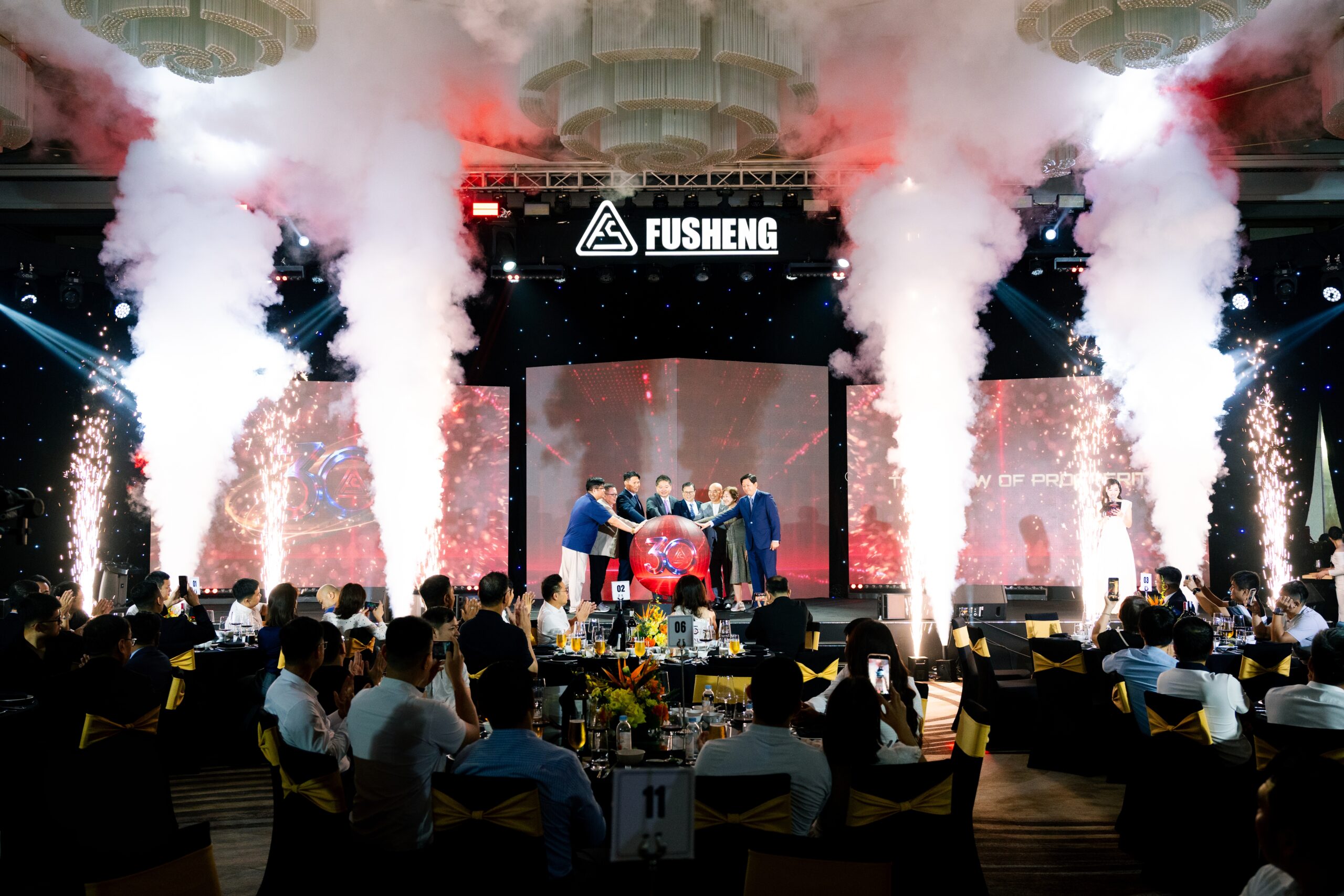
From 1953 to 30 Years in Vietnam Founded in 1953 as a business specializing in compressor repair and refurbishment, Fusheng Group has gradually expanded its operations into markets around the world, continuously strengthening its manufacturing capabilities, technologies, and compressed air solutions to meet the increasingly diverse needs of the industrial sector. In 1997, Fusheng Group […]

On 30 June 2026, Fu Sheng and Automech have officially entered into a strategic partnership, marking a significant milestone in the relationship between the two companies and ushering in a new chapter of long-term collaboration The signing ceremony not only reflected the mutual trust and shared vision between both parties, but also reaffirmed their commitment […]

The FUSHENG SEA Management Meeting 2026 was successfully held in Hanoi on January 22–23, 2026, with the participation of management leaders from countries across Southeast Asia. The meeting marked a key milestone in Fusheng’s ongoing efforts to strengthen regional alignment and enhance collaboration across the SEA market. During the meeting, regional leaders shared market updates, […]

Introduction In industrial compressed air systems, air compressor oil plays a crucial role. It not only lubricates internal components such as screw pairs and bearings but also helps with cooling, sealing the compression chamber, and trapping impurities. Selecting the appropriate air compressor oil will directly affect the performance, lifespan, and maintenance costs of the entire […]

1. Introduction to Fusheng Air Compressor Fusheng air compressors are a line of industrial pneumatic equipment manufactured to high-quality standards, meeting continuous operational needs in factories, service stations, and industrial processing systems. With a history of over 60 years of development in the international market, Fusheng stands out with various screw air compressors and piston […]

When it comes to energy optimization in factories, the inverter screw air compressor is always highly regarded for its ability to adapt to varying compressed air demands. Instead of operating at a fixed speed like traditional models, inverter technology allows the equipment to adjust its capacity in real-time, reducing power consumption by 30-50% depending on […]